Miracle Knots Hair: What They Are, How They Work and Why Everyone Is Getting Them Right Now
I remember the first time someone mentioned miracle knots to me. I had no idea what they were talking about.
A few minutes of scrolling later and I completely understood the obsession. In the ever-evolving world of protective hairstyles, miracle knots have emerged as a game-changer. Designed to mimic the look of knotless braids while reducing scalp tension, this technique offers a cleaner, more natural finish.
As more people look for comfortable and realistic braid styles, miracle knots are quickly gaining attention for their innovation and versatility.
If you have been seeing this style pop up everywhere and want to know exactly what it is, how it works, and whether it is right for you, this guide covers everything you need to know.
What Are Miracle Knots?
Miracle knots are a protective hairstyle that has been quietly taking over the natural hair community and for very good reason. At their core, miracle knots are a type of knotless braid or twist style that uses a specific installation technique to create an incredibly seamless, natural-looking finish at the scalp.
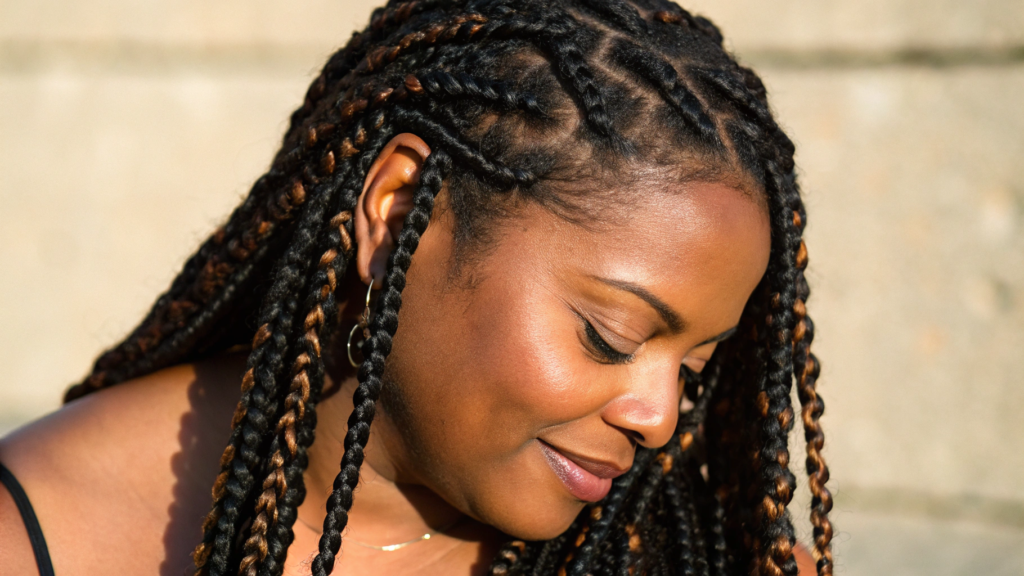
The name comes from the result rather than the technique. When done correctly, the braids or twists appear to grow directly from the scalp with no visible knot, no bulky root, and no tell-tale signs that extensions are involved. The finish looks so natural that people genuinely cannot tell whether it is your real hair or not. That is where the miracle part comes in.
What makes miracle knots different from regular knotless braids is the precision of the technique and the type of hair used. The extensions are fed in so gradually and so seamlessly at the root that the transition between your natural hair and the extension is completely invisible. Combined with high-quality curly or wavy hair, the result is a style that looks effortlessly real.
Miracle Knots Breakdown
| Feature | Description |
|---|---|
| Technique | Knotless illusion method |
| Scalp Tension | Very low |
| Natural Look | High |
| Installation | Moderate time |
| Popularity | Trending |
| Best For | Sensitive scalps |
Where Did Miracle Knots Come From?
Miracle knots emerged from the broader evolution of knotless braiding techniques that have been gaining popularity over the last several years. As more and more women moved away from traditional knot braids because of the tension and scalp stress they caused, stylists began experimenting with different ways to achieve a seamless root finish.
The miracle knots technique developed organically within the Black hair community as stylists refined and perfected knotless installation methods. Social media played a huge role in spreading the style. Once a few videos showing the dramatic difference between the before and after went viral, the demand for miracle knots exploded almost overnight.
Right now the search interest in miracle knots is growing at over 200 percent which tells you exactly how quickly awareness of this style is spreading. Most people are still discovering it for the first time which means getting a thorough article like this one in front of them early is a real opportunity.
What Makes Miracle Knots Different From Regular Knotless Braids?
This is the question most people have when they first hear about miracle knots and it is a fair one because on the surface the two styles sound very similar.
Regular knotless braids are already a significant improvement over traditional knot braids in terms of scalp health and appearance. They start without a knot at the root which reduces tension and gives a flatter, more natural look at the scalp.
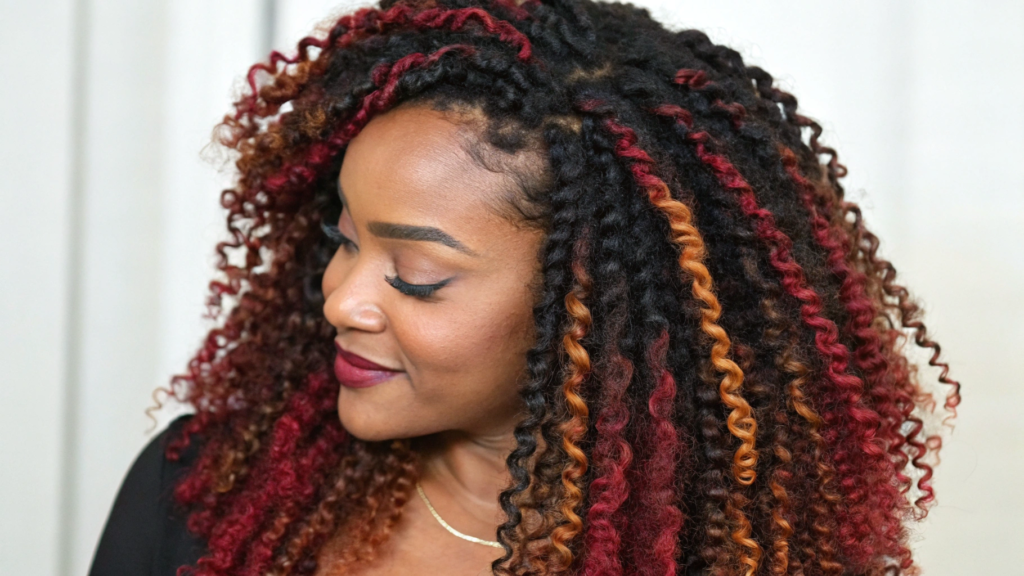
Miracle knots take this a step further. The installation technique is even more precise, with hair being fed in at an almost microscopic level at the root. The parting is cleaner, the root is flatter, and the blend between natural hair and extension is more seamless. Additionally, miracle knots typically incorporate curly or wavy extension hair which adds that bohemian, free-flowing texture that makes the style look so organic.
The result is a finish that looks less like a braid installation and more like someone who was simply born with incredibly beautiful, full, curly hair. That level of naturalness is what sets miracle knots apart.
What Hair Is Used for Miracle Knots?
Just like with passion twists and boho braids, the hair you choose for your miracle knots makes an enormous difference in the final result. Here is a breakdown of your options.
Human Hair
Human hair is the premium choice for miracle knots and gives the most realistic, undetectable finish. Because human hair moves, reflects light, and behaves exactly like natural hair, the blend between your own hair and the extension is seamless. Human hair miracle knots look so natural that most people genuinely cannot tell you are wearing extensions at all. The investment is higher but the result is on a completely different level.
High Quality Synthetic Curly Hair
Premium synthetic hair has improved dramatically in recent years and can give beautiful results for miracle knots when chosen carefully. Look for synthetic hair with a natural curl pattern, a matte rather than shiny finish, and a soft texture. Avoid anything that feels stiff or looks overly glossy as these qualities make the extensions obvious rather than natural.
Water Wave Hair
Water wave hair, the same type used for passion twists, is also popular for miracle knots because its rippled, natural-looking texture blends beautifully with natural hair. It is more affordable than human hair and still gives a gorgeous, organic finish.
Pre-looped Miracle Knot Hair
Some brands now produce hair specifically marketed for miracle knot installations. These come pre-prepared to make the installation process faster and more straightforward. They are a great option if you are working with a stylist who is newer to the technique or if you want to attempt them at home.
How Are Miracle Knots Installed?
The installation process for miracle knots is what sets the style apart from other protective styles. It requires precision, patience, and a stylist with genuine skill and experience in the technique.
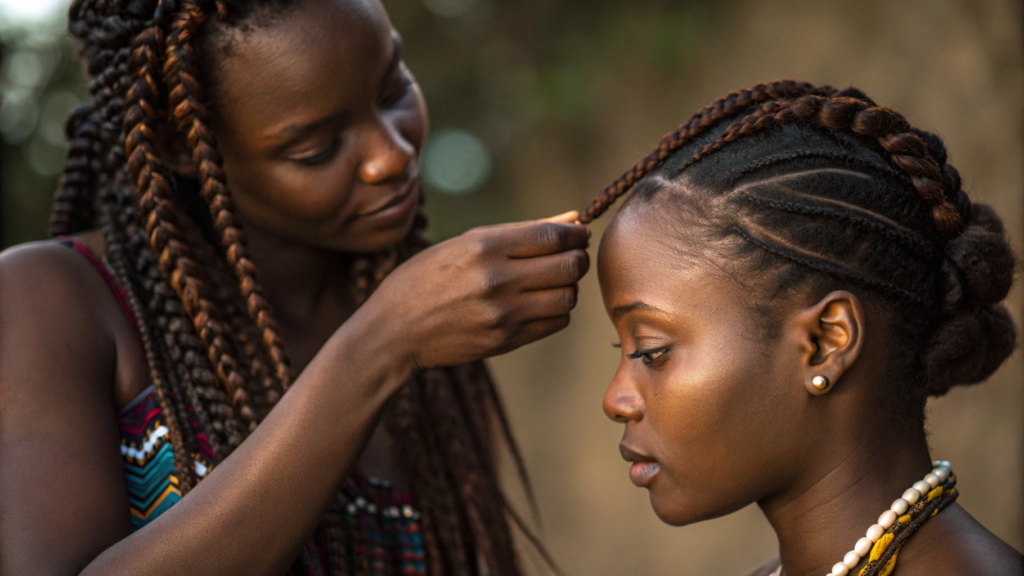
The process begins with sectioning your natural hair into very clean, precise parts. The size of the sections determines the size of each individual knot or braid so neat parting is essential for a polished final result.
Your stylist will then take an extremely small amount of extension hair and begin feeding it into your natural hair at the very root. Unlike traditional braiding where a large amount of extension hair is added all at once, the miracle knot technique involves feeding hair in gradually, tiny piece by tiny piece. This is what creates the invisible, seamless root appearance.
As the braid or twist progresses down the length, more extension hair is added in small increments. The curly or wavy texture of the hair means that as each section is twisted or braided, it naturally takes on that soft, organic appearance.
The process is time-consuming because of how precise it needs to be but the end result is worth every minute.
Here’s a detailed video from Katherine Delameza on Miracle Knots
How Long Does It Take to Get Miracle Knots?
Because the installation technique requires such precision, miracle knots do take longer than many other protective styles. Here is a realistic guide to what you can expect.
Small miracle knots typically take 7 to 10 hours. Medium miracle knots generally take 5 to 7 hours. Large miracle knots usually take 4 to 5 hours.
This is definitely a full day commitment. Come prepared with snacks, your favourite playlist, and something to watch. Most people find that the time flies once they start seeing the result taking shape.
How Long Do Miracle Knots Last?
With proper care and maintenance, miracle knots typically last between 6 and 10 weeks. They tend to last slightly longer than many other protective styles because the seamless installation means there is less stress on the root and less likelihood of the style loosening prematurely.
Around weeks 4 and 5 you may notice some new growth at the root and some frizzing of the curly sections. This is completely normal. A lightweight oil applied to the scalp and a gentle smoothing of any fuzzy sections will keep things looking tidy without disturbing the style.
The quality of hair used plays a significant role in longevity. Human hair miracle knots will stay looking fresh and natural for significantly longer than synthetic alternatives. If you want to get the full 8 to 10 weeks out of your style, investing in quality hair is the single most important decision you can make.
Different Styles of Miracle Knots
One of the things that makes miracle knots so appealing is how adaptable they are. You are not limited to one specific look. Here are the most popular variations.
1. Long Miracle Knots
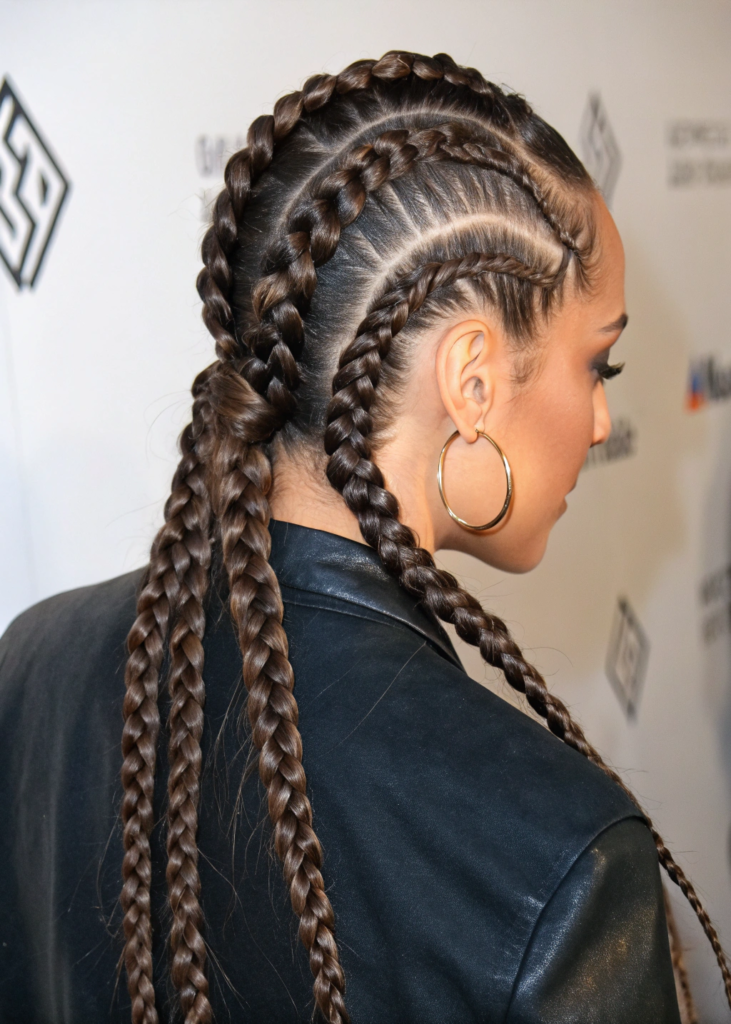
Long miracle knots that fall past the shoulders and down to the waist are breathtaking. The longer the style, the more the curly texture has room to move and flow, which enhances the natural, organic look that miracle knots are famous for.
2. Medium Miracle Knots
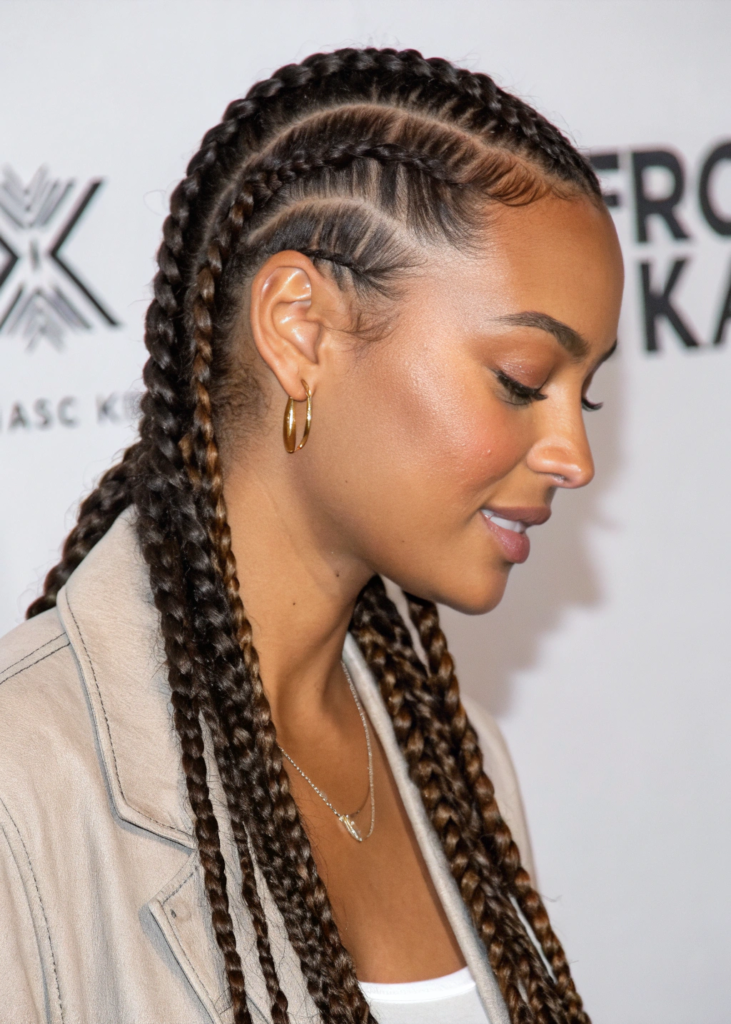
Medium length miracle knots hitting around the chest or collarbone area are the sweet spot for most people. Long enough to feel luxurious and feminine, short enough to be manageable in everyday life.
3. Short Miracle Knots
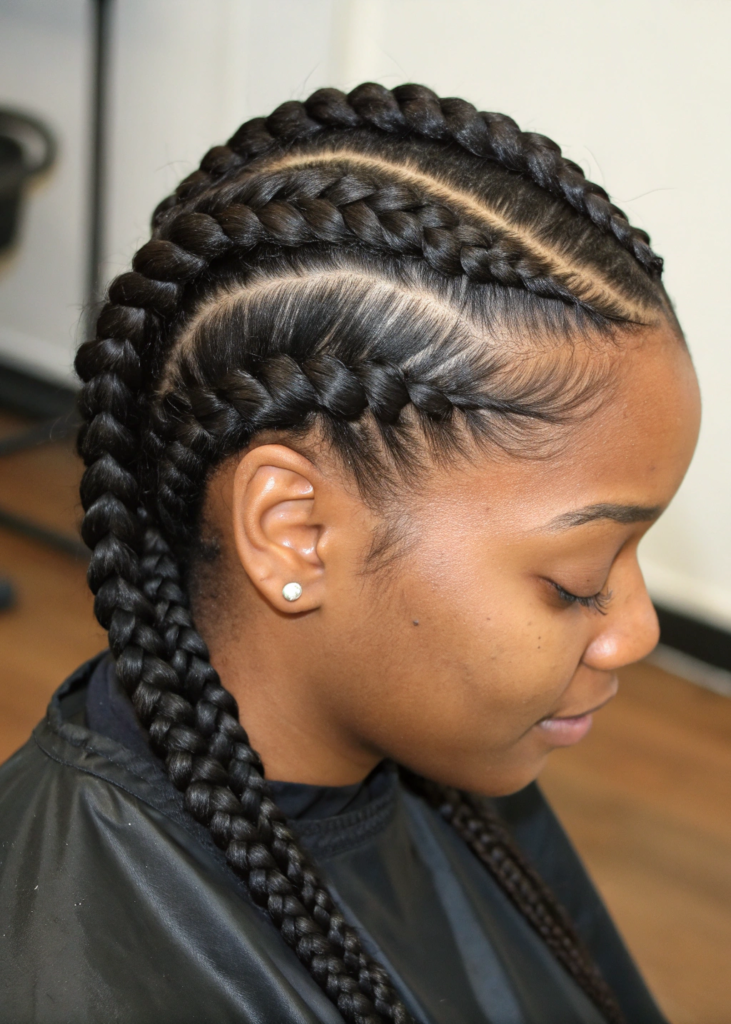
Short miracle knots are a chic, modern option for anyone who prefers a more compact style. A shoulder length or bob length set of miracle knots is incredibly stylish and much faster to install than longer options.
4. Miracle Knots with Color
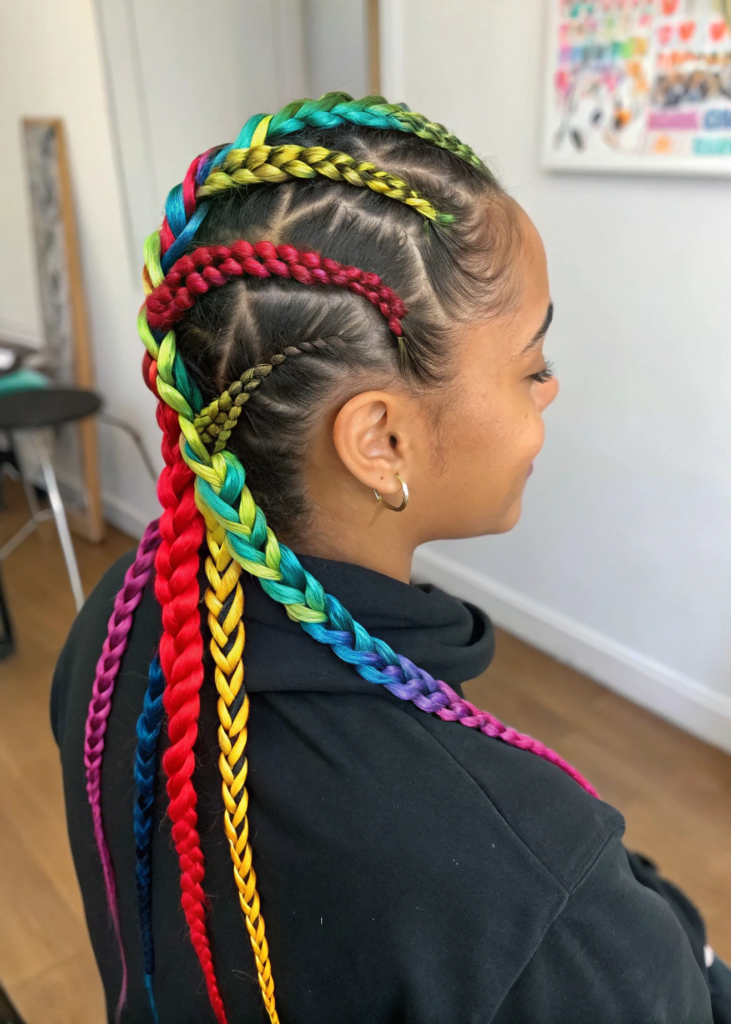
Adding color to your miracle knots through the extension hair is a beautiful way to personalize the style. Warm tones like honey blonde, copper, and caramel look stunning against deeper skin tones. Cooler tones like ash brown and deep burgundy work beautifully for anyone who wants something a little more dramatic.
5. Boho Miracle Knots
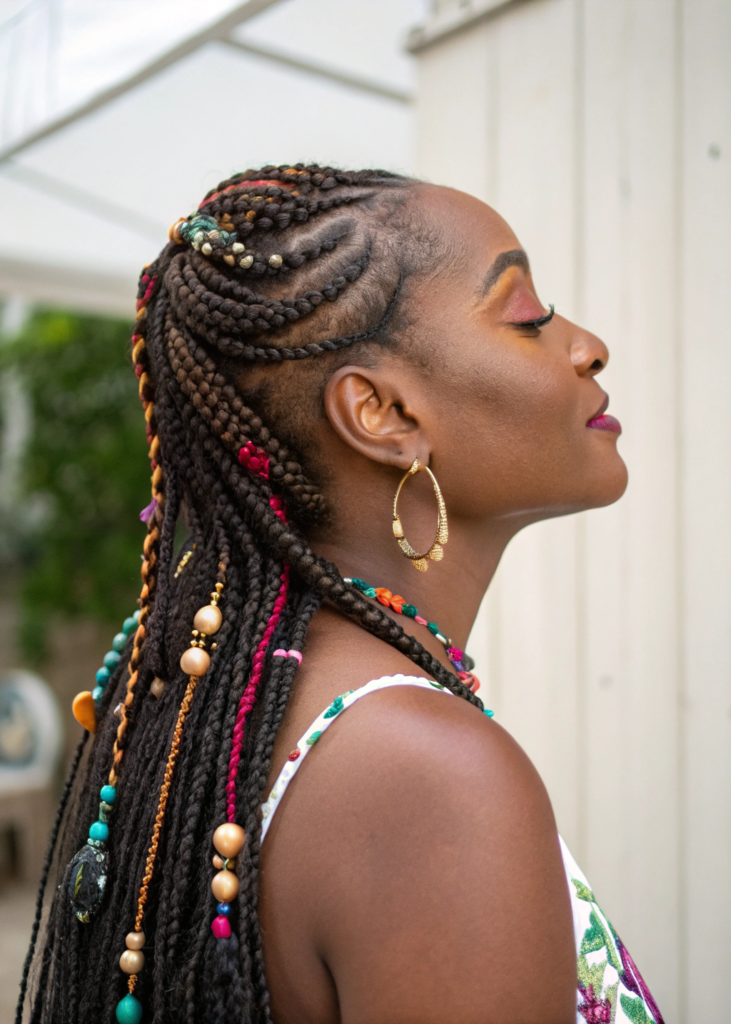
Some stylists combine the miracle knot technique with the free-flowing curly texture of boho braids to create a style that is the best of both worlds. The root is seamless and flat like miracle knots while the body and ends have that soft, flowing boho energy. This variation is one of the most beautiful protective styles available right now.
Are Miracle Knots Gentle on Your Scalp?
Yes and this is one of the main reasons the style has become so popular so quickly. Because the miracle knot technique involves no knot at the root and uses a very gradual, low-tension method of adding extension hair, the style is significantly gentler on the scalp than traditional braiding methods.
People who have previously avoided protective styles because of scalp sensitivity, tension headaches, or concerns about edge damage often find that miracle knots are the first style they can wear comfortably for an extended period.
That said, the gentleness of the style still depends heavily on the skill of the stylist. Even a low-tension technique can cause problems if the person installing it is rushing or not experienced enough in the method. Always choose a stylist who has a proven portfolio of miracle knot installations before you commit.
Are Miracle Knots Good for Hair Growth?
Miracle knots are an excellent choice if hair growth and retention are your primary goals. As a protective style, they shield your natural hair from the daily manipulation, environmental exposure, and heat damage that cause the most common types of breakage and length loss.
The low-tension installation means your roots and edges are under significantly less stress than they would be with traditional braiding methods. This is particularly important for the hairline area which is often the most vulnerable and the first place to show signs of stress from tight styling.
Keeping your scalp moisturized throughout the duration of the style and following a gentle maintenance routine will help you maximize the hair growth benefits of wearing miracle knots.
How to Maintain Miracle Knots?
A good maintenance routine is what separates a set of miracle knots that lasts 4 weeks from one that lasts 8 to 10 weeks. Here is exactly what you need to do.
Protect your hair every single night
A silk or satin bonnet is non-negotiable. It reduces friction between your hair and your pillow which is the number one cause of frizz and fuzzing in protective styles. If you find bonnets uncomfortable, a silk pillowcase is a reasonable alternative but a bonnet gives significantly better coverage.
Oil your scalp every 2 to 3 days
Your scalp continues to need moisture even when your hair is in a protective style. Use a lightweight oil that absorbs easily without leaving heavy residue. Rosemary oil, jojoba oil, and peppermint oil are all excellent choices. Apply directly to the scalp through the partings and massage gently to stimulate circulation.
Wash your scalp every 2 weeks
Mix a small amount of gentle clarifying shampoo with water in a spray bottle and apply it directly to your scalp. Gently massage with your fingertips and rinse thoroughly. Avoid scrubbing or rubbing the braids themselves as this causes frizz and disturbs the texture of the extension hair.
Avoid heavy products on the braids
Thick butters, heavy gels, and oil-based products applied to the length of the braids cause buildup that dulls the appearance of the style over time. Keep products lightweight and focused on the scalp rather than the braids themselves.
Do not stretch the style past 10 weeks
It is tempting to keep a good set of miracle knots going for as long as possible but leaving protective styles in too long allows your shed hairs to accumulate and mat at the root which makes the takedown process much more difficult and increases the risk of breakage.
How to Take Down Miracle Knots?
Takedown is the part that most people dread but doing it properly is absolutely essential for maintaining the health of your natural hair.
Start by saturating each braid or twist generously with a mixture of conditioner and oil before you begin unraveling. This softens any tangling and makes the process significantly easier and less damaging. Work through each knot slowly and gently, never pulling or tugging aggressively.
Once all the knots are removed, work through your natural hair in sections with a wide tooth comb or your fingers, starting from the ends and working up to the roots. Be patient during this step. Your hair has been in a protective style for several weeks and needs gentle, thorough detangling before you move on.
Finish with a deep conditioning treatment left on for at least 20 to 30 minutes to restore moisture and softness to your natural hair. This step is not optional. Your hair will thank you for it.
How Much Do Miracle Knots Cost?
As with any protective style, pricing varies depending on location, braid size, and stylist experience. Here is a general guide to what you can expect to pay.
Small miracle knots typically cost between $250 and $400. Medium miracle knots generally range from $180 to $280. Large miracle knots usually fall between $130 and $200.
You will also need to budget for the extension hair separately. Quality synthetic water wave hair costs between $30 and $70 depending on the brand and the amount needed. Human hair will cost more but the results and longevity make it a worthwhile investment if your budget allows.
Because miracle knots require a higher level of precision and skill than many other protective styles, you may find that experienced stylists charge a premium for the technique. This is absolutely worth paying. The difference between miracle knots done by a skilled stylist and those done by someone still learning the technique is dramatic and very visible.
Can You Do Miracle Knots at Home?
Miracle knots can be done at home but they are not the most beginner-friendly style to start with. The precision required at the root takes practice to get right and the installation is time-consuming even for experienced stylists.
If you want to try them at home, start by watching several detailed installation tutorials before you attempt anything. Practice the feeding technique on a mannequin head first if possible. Begin with a medium or large size rather than small knots as these are significantly more forgiving for beginners.
With patience and practice, home installation is absolutely achievable. Many people successfully do their own miracle knots once they have the technique down and the time savings compared to salon visits add up quickly.
Final Thoughts
Miracle knots are genuinely one of the most exciting protective styles to emerge in recent years. The seamless, natural-looking finish is unlike anything else available and the style suits virtually every face shape, hair type, and lifestyle.
Whether you are drawn to miracle knots for their stunning appearance, their scalp-friendly installation, or their impressive longevity, you really cannot go wrong with this style. Find a skilled stylist, invest in quality hair, commit to a simple maintenance routine, and you will have a protective style that looks incredible from day one all the way through to week ten.
Frequently Asked Questions
What exactly are miracle knots?
Miracle knots are a protective hairstyle that uses a precise, low-tension installation technique to create an incredibly seamless, natural-looking finish at the scalp. The extensions are fed in so gradually at the root that there is no visible knot or bulk and the braids appear to grow directly from the scalp. Combined with curly or wavy extension hair, the result looks strikingly natural.
How are miracle knots different from knotless braids?
Both styles avoid the traditional knot at the root but miracle knots take the seamless finish a significant step further. The hair is fed in even more gradually, the root is flatter and more natural, and the technique is generally more precise than standard knotless braiding. Miracle knots also typically use curly or wavy extension hair which gives a more organic, free-flowing appearance.
How long do miracle knots last?
With proper care and maintenance, miracle knots typically last between 6 and 10 weeks. This is slightly longer than many other protective styles because the low-tension installation puts less stress on the root. Sleeping with a silk bonnet, oiling your scalp regularly, and washing gently every two weeks are the key habits that will help you get the most out of your style.
Are miracle knots painful to get?
Because of the low-tension installation technique, miracle knots are generally much more comfortable to get and wear than traditional braided styles. Most people experience little to no discomfort during installation and no tension headaches afterward. The style is particularly popular among people who have previously avoided protective styles because of scalp sensitivity.
What is the best hair to use for miracle knots?
Human hair gives the most natural and long-lasting result for miracle knots. For those working with a tighter budget, high-quality synthetic water wave hair is the next best option. Look for hair with a natural-looking curl pattern, a matte finish, and a soft texture. Avoid anything that looks overly shiny or feels stiff.
Can miracle knots help with hair growth?
Yes. As a low-tension protective style, miracle knots are an excellent choice for anyone focused on hair growth and length retention. Your natural hair is protected from daily manipulation and environmental damage while wearing the style and the gentle installation means minimal stress on your roots and edges.
How do I find a stylist who knows how to do miracle knots?
Because miracle knots are still a relatively new and specialized technique, not every braiding stylist will have experience with them. Look for stylists on Instagram and TikTok who specifically showcase miracle knot work in their portfolio. Always look at multiple examples of their work before booking and do not hesitate to ask how many sets of miracle knots they have done before committing to an appointment.
Can miracle knots be done on short natural hair?
Yes, miracle knots can be done on shorter natural hair. The key is having enough natural hair to anchor the extensions properly at the root. Most stylists recommend having at least 2 to 3 inches of natural hair for the best result. If your hair is very short, discuss this with your stylist before your appointment so they can advise on the best approach for your specific hair length.