Human Braiding Hair Guide: Types, Textures, Quality Differences and Where to Buy the Best
The first time I went shopping for human braiding hair I stood in the beauty supply store for almost 45 minutes completely overwhelmed. There were dozens of options, confusing labels, wildly different price points, and absolutely nobody around who could tell me what the difference actually was between half of them.
I left with the wrong hair, had a mediocre installation, and spent the next few weeks wishing I had done my research first. This guide is everything I needed that day and did not have.
What Is Human Braiding Hair?
Human braiding hair is exactly what it sounds like. It is real human hair, sourced from donors, processed and prepared specifically for use as extension hair in protective styles like boho braids, knotless braids, passion twists, cornrows, and other braided hairstyles.
Unlike synthetic braiding hair which is made from man-made fibers designed to mimic the look of real hair, human braiding hair comes from actual human donors. This fundamental difference in origin is what gives human braiding hair its distinctive qualities and what makes it so sought after for protective styles where a natural, realistic appearance is the goal.
Human braiding hair moves like real hair because it is real hair. It reflects light the way natural hair does. It can be styled, colored, and treated similarly to your own natural hair. And when it is blended with your own hair in a protective style, the result looks genuinely seamless and organic in a way that synthetic hair simply cannot fully replicate no matter how advanced the manufacturing process gets.
Why So Many People Are Switching to Human Braiding Hair
The shift toward human braiding hair has been building steadily for several years and the search interest in human braiding hair has grown by over 90 percent recently. That kind of growth reflects a genuine shift in what people want from their protective styles and why.
Social media has played a significant role. When you spend time watching boho braid content on Instagram and TikTok, you quickly develop an eye for the difference between styles done with human hair and those done with synthetic alternatives. The movement, the light reflection, the natural-looking texture, it all comes through even on a phone screen. Once you have seen what human hair can do, it is hard to unsee.
Education about hair health has also driven the shift. As more people become knowledgeable about traction alopecia, scalp health, and the long-term consequences of certain protective styling choices, they are also becoming more thoughtful about the quality of materials they put in their hair. Investing in quality human braiding hair is part of a broader approach to treating protective styling as a genuine investment in hair health rather than just a style choice.
The growing availability of human braiding hair at a wider range of price points has also made it more accessible. While premium human braiding hair is still a significant investment, more options at more accessible price points have made the switch from synthetic to human hair a realistic choice for more people than ever before.
Hair Quality Levels
| Grade | Quality | Lifespan | Price |
|---|---|---|---|
| Low | Basic | Short | $ |
| Medium | Good | Moderate | $$ |
| High | Premium | Long | $$$ |
Types of Human Braiding Hair
Not all human braiding hair is the same. There are several different types and categories, each with different characteristics, quality levels, and ideal uses. Understanding these distinctions before you shop makes an enormous difference to the quality of what you end up buying.
Virgin Human Hair
Virgin human hair is the gold standard. This is hair that has never been chemically processed, colored, permed, relaxed, or treated in any way. It comes from donors in its completely natural state with the hair cuticle fully intact and all strands running in the same natural direction.
Because virgin hair has never been subjected to chemical processing, it is at its strongest and most resilient. It behaves most predictably, lasts the longest, and gives the most natural-looking result of any type of human braiding hair. It is also the most expensive, which is entirely justified by its superior quality.
When you see hair marketed as 100 percent virgin human hair, you are looking at the best the human braiding hair market has to offer.
Remy Human Hair
Remy hair refers specifically to how the hair is collected and aligned rather than whether it has been processed. Remy hair means all the strands are aligned in the same direction from root to tip with the cuticle running consistently throughout. This alignment prevents tangling, matting, and the rough, coarse feeling that happens when hair strands run in different directions and the cuticles clash against each other.
All good quality human braiding hair should be Remy. If a product does not specify Remy alignment, this is worth questioning before you buy because non-Remy human hair tangles much more easily and deteriorates faster.
Virgin hair and Remy are not mutually exclusive terms. The very best human braiding hair is both virgin and Remy, meaning it has never been processed and has been carefully collected with all strands aligned correctly.
Non-Virgin Human Hair
Non-virgin human hair has been chemically processed in some way. This might mean it has been colored, bleached, or treated with chemicals to achieve a specific texture. The processing strips some of the natural integrity from the hair cuticle, which means non-virgin hair is generally less durable and may be more prone to tangling and frizzing than virgin alternatives.
Non-virgin human hair is typically more affordable than virgin hair and can still look beautiful when installed. It just requires more careful handling and may not last as long through the wear period of a protective style.
Blended Human Hair
Some products marketed as human hair are actually a blend of real human hair and synthetic fibers. These blends are designed to give some of the natural appearance of human hair at a lower price point than pure human hair. The quality and proportion of the blend varies enormously between products and brands.
Blended hair can be a reasonable middle ground option for people who want something more natural-looking than purely synthetic hair without the full investment of 100 percent human hair. However it is important to know what you are buying because the performance and longevity of blended hair is closer to synthetic than to pure human hair.
Where Does Human Braiding Hair Come From?
Human braiding hair is sourced from donors around the world. The country of origin affects the natural characteristics of the hair in terms of texture, thickness, and natural color. Here is what you need to know about the most common sources.
Brazilian Hair
Brazilian hair is one of the most popular and widely available types of human braiding hair. It tends to be thick, full, and strong with a natural wave pattern that is versatile and blends well with a wide range of natural hair textures. Brazilian hair holds styles beautifully and is known for its durability. It is an excellent all-around choice for boho braids and other protective styles.
Indian Hair
Indian hair is incredibly versatile and is one of the most widely used human hair types in the world. It tends to be slightly finer than Brazilian hair but very durable and long-lasting. Indian hair blends particularly well with type 3 and type 4 natural hair textures and holds curl patterns beautifully. It is often a very good value option within the human hair category because the supply from India is more abundant than from some other origins.
Peruvian Hair
Peruvian hair is known for being lightweight, silky, and very durable. It has a natural luster and a beautiful natural wave that makes it particularly well-suited for styles where movement and shine are important. Peruvian hair tends to be coarser than Indian hair but finer than Brazilian, sitting in a middle ground that many people find ideal for protective styles.
Malaysian Hair
Malaysian hair has a natural shine and a soft, silky texture that gives it a beautiful, healthy appearance. It tends to be thicker than Indian hair and blends well with coarser natural hair textures. Malaysian hair holds styles well and is known for its longevity, making it a great investment for protective styles that you plan to wear for extended periods.
Cambodian Hair
Cambodian hair is considered by many hair experts to be among the highest quality human hair available. It tends to be very thick, strong, and durable with a natural coarse texture that blends particularly well with type 4 natural hair. It is generally one of the more expensive options but its durability and quality make it a worthwhile investment for people who want the very best.
Human Braiding Hair Textures for Different Styles
The texture of human braiding hair you choose should match the specific style you are getting and the aesthetic you want to achieve. Here is a guide to the most popular textures and which styles they work best for.
Straight Human Braiding Hair
Straight human braiding hair is used for the braided portion of styles where a clean, smooth braid is desired. It gives a neat, polished look along the length of the braid. For boho styles, straight hair is often used for the braided section with separate curly hair added for the boho texture portions.
Body Wave Human Braiding Hair
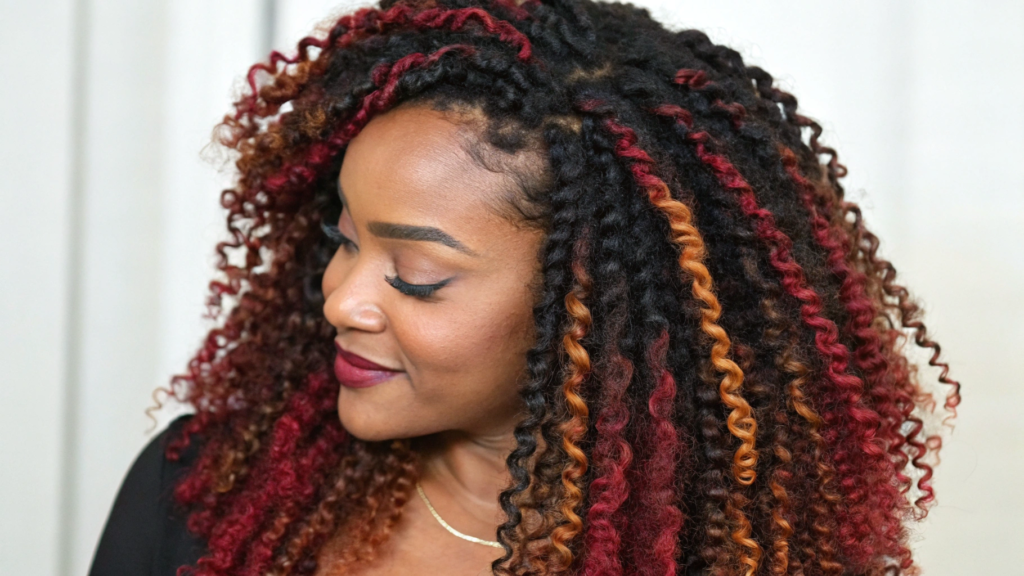
Body wave hair has a loose, flowing S-shaped wave pattern that creates a soft, romantic finish. It is one of the most popular choices for boho braids, passion twists, and any style where a natural-looking flowing texture is desired. Body wave human hair moves beautifully and photographs exceptionally well.
Water Wave Human Braiding Hair
Water wave hair has a tighter, more rippled wave pattern than body wave. It creates a fuller, more voluminous look and is the most popular texture for passion twists and miracle knots as well as the boho sections of knotless braids. Water wave human hair maintains its texture well over time and responds beautifully to refreshing with water.
Deep Wave Human Braiding Hair
Deep wave hair has the most defined, tightest curl pattern of the common braiding textures. It creates maximum volume and a very lush, full appearance. Deep wave human hair works particularly well for longer styles where the extra fullness at the ends prevents the style from looking thin or sparse.
Loose Deep Wave Human Braiding Hair
Loose deep wave sits between body wave and deep wave in terms of curl tightness. It has more definition than body wave but more softness than deep wave, making it a versatile choice that suits a wide range of protective styles and personal aesthetics. Many people find loose deep wave to be the perfect middle ground texture for boho braids.
Kinky Curly Human Braiding Hair
Kinky curly human hair has a tight, coily pattern that blends exceptionally well with type 4 natural hair textures. It creates a very full, natural-looking result that is particularly beautiful for boho styles worn by people with coarser natural hair. The tight curl pattern means kinky curly human braiding hair maintains its texture very well throughout the wear period.
How Much Human Braiding Hair Do You Need?
One of the most common mistakes people make when buying human braiding hair is not buying enough. Here is a general guide to how much you typically need for the most popular protective styles.
Boho Knotless Braids
For medium length medium size boho knotless braids you typically need between 4 and 6 bundles of human braiding hair. For longer styles, budget for 6 to 8 bundles. For shorter bob length styles, 3 to 4 bundles is usually sufficient.
Boho Box Braids
Medium length medium size boho box braids typically require 4 to 6 bundles. Longer, larger styles need more, around 6 to 8 bundles depending on how full you want the finished style to look.
Passion Twists
Passion twists typically require 5 to 7 packs of water wave hair for a full head of medium length twists. Longer styles need more and shorter styles need less.
Boho Cornrow Braids
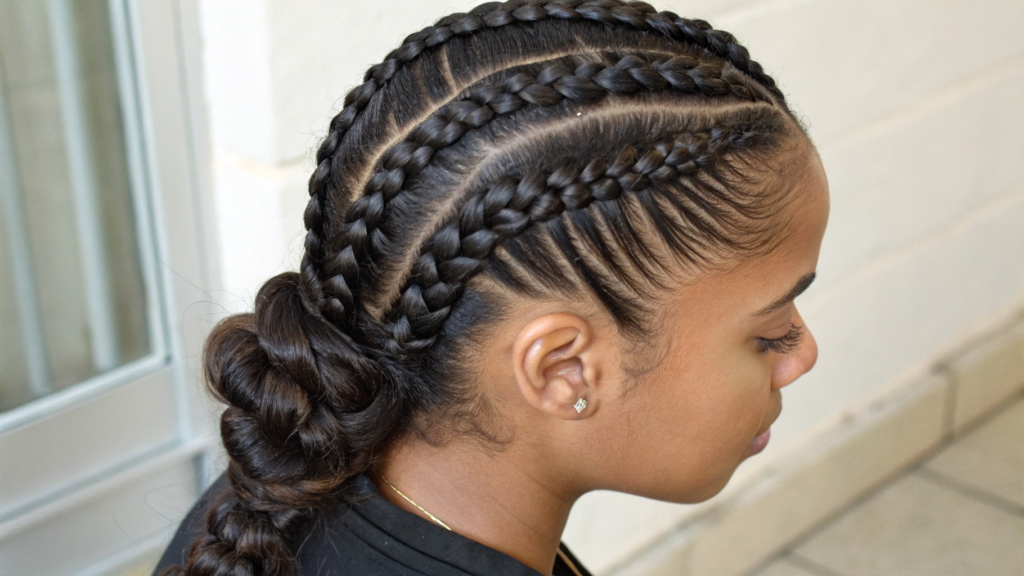
Boho cornrow braids generally require less hair than full head braided styles because the cornrow base uses less extension hair. Budget for 3 to 5 bundles depending on the length and fullness you want for the boho curly sections.
Miracle Knots
Miracle knots typically require 4 to 6 bundles for a medium length, medium size installation. The precise feeding technique used for miracle knots means the hair is distributed very gradually which affects how much you need.
Always buy at least one extra bundle beyond your estimate. Running out mid-installation is a genuinely stressful situation and leftover human braiding hair can be stored and reused for future styles. Having too much is always a better problem than having too little.
How to Tell If Human Braiding Hair Is Genuine
The human hair industry unfortunately has a significant problem with mislabeling. Products marketed as 100 percent human hair sometimes contain synthetic fibers, are blended with low quality processed hair, or are human hair that has been so heavily processed that it performs more like synthetic than natural hair. Knowing how to identify genuine quality before you buy protects your investment.
The Burn Test
The most reliable test for genuine human hair is the burn test. Take a small strand of hair and hold it near a flame. Real human hair burns slowly, produces a smell similar to burning hair, and leaves a soft, crushable ash. Synthetic hair melts, burns quickly with a plastic smell, and leaves a hard bead rather than ash. This test is definitive but can obviously only be done once you have the hair in hand.
The Feel Test
Genuine human braiding hair should feel soft and natural rather than stiff or plasticky. Run the hair between your fingers. It should feel smooth when stroked from root to tip and slightly rougher when stroked from tip to root, which indicates the cuticle is intact and the hair is aligned correctly. Synthetic hair tends to feel uniformly smooth in both directions because it does not have a natural cuticle.
The Shed Test
A small amount of shedding is normal with human braiding hair. Excessive shedding, where large numbers of strands come away when you run your fingers through the hair, can indicate poor quality processing or a low quality blended product.
The Price Test
Genuine high quality human braiding hair is expensive. If a product claims to be 100 percent virgin human hair and is priced similarly to synthetic options, this is a very significant red flag. Quality costs money and realistic pricing is one of the clearest indicators of genuine quality in the human hair market.
The Source Test
Buy from reputable, established brands and retailers with verifiable track records. Read reviews carefully and prioritize reviews that specifically mention how the hair performed over an extended wear period rather than just initial impressions. Established brands have reputations to protect and are much less likely to misrepresent their products than unknown or fly-by-night sellers.
How to Care for Human Braiding Hair During Wear
Human braiding hair responds to care and maintenance in a way that synthetic hair cannot. Here is how to keep your human braiding hair looking its best throughout your protective style wear period.
Moisturize regularly
Human braiding hair can dry out during the wear period because it does not benefit from the natural oils your scalp produces the way your natural hair does. Applying a lightweight leave-in conditioner or hair mist to the length of your braids and the curly sections every few days keeps the human hair moisturized, soft, and looking healthy.
Protect at night
A silk or satin bonnet every single night is just as important for human braiding hair as it is for synthetic. The friction from cotton pillowcases damages the hair cuticle over time and causes the texture of the human hair to become rough and frizzy faster than it would with proper nighttime protection.
Wash gently and allow to dry completely
Human braiding hair can be washed just like your own natural hair but care is needed to avoid disturbing the style. Use a diluted gentle shampoo applied to the scalp, work through gently, and rinse thoroughly. Apply a light conditioner to the length of the braids and curly sections. Allow to air dry completely before sleeping.
Avoid heat
Although human braiding hair can technically handle some heat styling, applying heat to braids risks altering the curl pattern of the extension hair and can damage the style. For boho styles specifically, it is better to avoid heat altogether and rely on water and curl defining cream to refresh the texture when needed.
Refresh the texture when needed
Water wave and body wave human braiding hair responds beautifully to refreshing with water and curl cream. A light mist of water followed by a small amount of curl defining product scrunched gently into the curly sections restores definition and softness easily and effectively.
How to Store Human Braiding Hair Between Uses
One of the great advantages of human braiding hair over synthetic is that it can be removed, cleaned, and reused for multiple installations. Proper storage between uses is what makes this possible.
After taking down your protective style, remove the human braiding hair carefully and gently. Wash it thoroughly with a gentle shampoo and conditioner, working through it carefully from tip to root to remove any tangles. Rinse thoroughly and allow it to air dry completely before storing.
Once dry, detangle the hair gently and store it in its original packaging if possible, or in a clean zip-lock bag or breathable storage bag. Keep it in a cool, dry place away from direct sunlight. Properly stored human braiding hair can maintain its quality for months between uses.
When you are ready to use the hair again, take it out of storage, check for any tangles, and condition it lightly before your next installation appointment.
How Much Does Human Braiding Hair Cost?
Human braiding hair is a genuine investment and it is important to go into your purchase with realistic expectations about what quality costs. Here is a general guide to pricing.
Individual bundles of quality human braiding hair typically cost between $25 and $100 or more per bundle depending on the type, origin, texture, and length. Virgin hair from premium brands commands the highest prices. Non-virgin processed human hair is more affordable but still significantly more expensive than synthetic alternatives.
For a full head protective style requiring 4 to 6 bundles, your total hair cost could range from $100 to $600 or more depending on the quality level you choose.
This is a significant amount of money compared to synthetic braiding hair which typically costs between $5 and $20 per pack. But when you factor in the superior appearance, the longer wear period, and the ability to reuse quality human braiding hair for multiple installations, the cost per use becomes much more reasonable over time.
Think of human braiding hair as an investment that pays dividends across multiple styles rather than a single-use purchase. Good quality human braiding hair that is properly cared for can be reused two or three times, which dramatically reduces the effective cost per installation.
The Best Places to Buy Human Braiding Hair
Knowing where to shop is just as important as knowing what to look for. Here are the most reliable places to find genuine quality human braiding hair.
Specialist Beauty Supply Stores
Dedicated beauty supply stores that specialize in hair extensions and braiding supplies are generally excellent places to buy human braiding hair. Staff in these stores often have real product knowledge and can help you find the right hair for your specific style and texture needs. Being able to see and feel the hair before you buy makes a significant difference in getting the right product.
Direct from Established Brands
Buying directly from established human hair brands through their own websites gives you the best access to their full product range, the most detailed product information, and the assurance that you are getting genuine product rather than a counterfeit or misrepresented item. Many established brands also offer better customer service and clearer return policies when you buy direct.
Reputable Online Retailers
Shopping online gives you access to a much wider range of options than most physical stores carry. Stick to retailers with a strong track record, genuine verified customer reviews, and clear product descriptions that specify virgin or Remy quality. Read reviews carefully and pay particular attention to comments about how the hair performed over an extended wear period.
Through Your Stylist
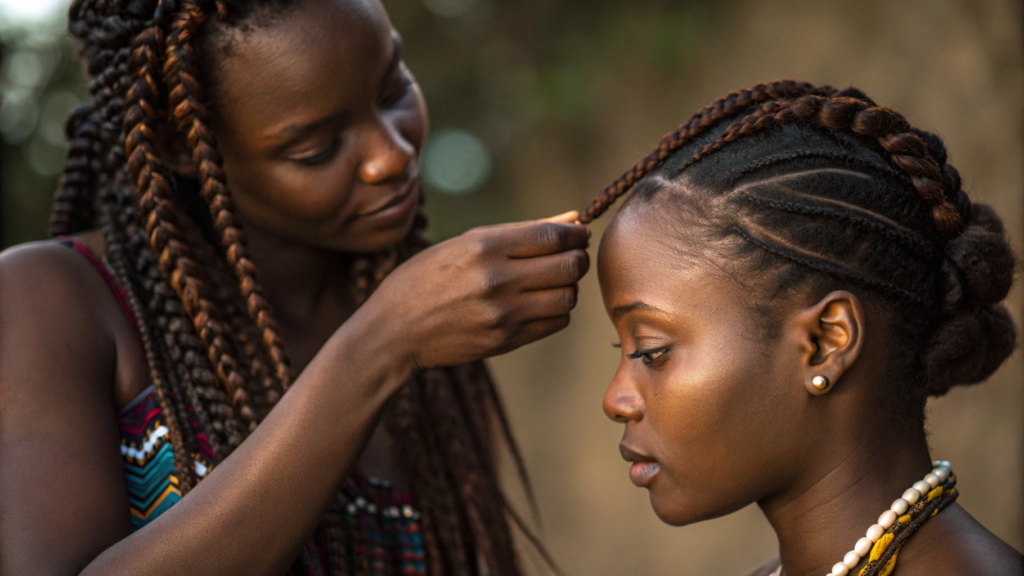
Many experienced braiding stylists source their own human braiding hair and can supply it as part of your appointment. This has real advantages because your stylist knows exactly which hair works best for the specific style you want and has hands-on experience with how different options perform in real installations. Buying through your stylist also eliminates one thing from your pre-appointment to-do list.
Final Thoughts
Human braiding hair is one of those investments that genuinely transforms your protective style experience once you make the switch. The appearance is more natural, the longevity is better, the styling flexibility is greater, and the overall quality of the finished result is on a different level from synthetic alternatives.
The key to getting the most from your human braiding hair investment is knowing what to look for, buying from reputable sources, caring for it properly during wear, and storing it correctly between uses. Do those things and you will have an investment that pays off across multiple beautiful protective styles.
Frequently Asked Questions
What is the difference between human braiding hair and synthetic braiding hair?
Human braiding hair comes from real human donors while synthetic braiding hair is made from man-made fibers. Human hair moves, reflects light, and behaves like real hair because it is real hair. It blends more seamlessly with your natural hair, lasts longer, and gives a more natural-looking result. Synthetic hair is significantly more affordable but cannot fully replicate the natural appearance and movement of human hair.
What does virgin human braiding hair mean?
Virgin human braiding hair means the hair has never been chemically processed, colored, permed, or treated in any way. It comes from donors in its completely natural state with the cuticle fully intact. Virgin hair is the highest quality category of human braiding hair because it is at its strongest, most resilient, and most natural-looking state.
What does Remy mean in human braiding hair?
Remy refers to how the hair is collected and aligned. Remy human braiding hair has all strands aligned in the same direction from root to tip with the cuticle running consistently throughout. This alignment prevents tangling and gives the hair a smoother, more natural feel. All quality human braiding hair should be Remy aligned.
How many bundles of human braiding hair do I need?
The amount you need depends on the style, size, and length of your braids. As a general guide, medium length medium size boho knotless braids or box braids typically require 4 to 6 bundles. Longer styles need 6 to 8 bundles. Shorter styles need 3 to 4 bundles. Always buy at least one extra bundle to avoid running short mid-installation.
Can human braiding hair be reused?
Yes and this is one of the biggest advantages of human braiding hair over synthetic. With proper care during wear and a gentle removal process, quality human braiding hair can be washed, conditioned, and reused for multiple installations. Proper storage between uses is key to maintaining the hair quality for reuse.
How do I know if my human braiding hair is genuine?
The most reliable test is the burn test. Real human hair burns slowly with a hair-like smell and leaves soft crushable ash. Synthetic hair melts with a plastic smell and leaves a hard bead. Before buying, look for hair that feels naturally soft, has strands aligned in one direction, comes from a reputable brand with genuine reviews, and is priced realistically for genuine human hair.
What is the best texture of human braiding hair for boho braids?
Body wave, water wave, and loose deep wave are the three most popular and well-suited textures for boho braids. Body wave gives a softer, more flowing look. Water wave gives more volume and defined texture. Loose deep wave hits a beautiful middle ground between the two. The best choice depends on the size of your braids and the specific aesthetic you want.
How much does human braiding hair cost?
Individual bundles of quality human braiding hair typically cost between $25 and $100 or more per bundle depending on the type, origin, texture, and length. For a full head protective style requiring 4 to 6 bundles, your total hair cost could range from $100 to $600 or more. While significantly more expensive than synthetic hair upfront, the ability to reuse quality human braiding hair multiple times makes the long-term cost more reasonable.
Where is the best place to buy human braiding hair?
Specialist beauty supply stores, reputable online retailers with verified reviews, established brands selling direct through their own websites, and experienced braiding stylists who source their own hair are all reliable options. Always prioritize genuine customer reviews, clear product descriptions specifying virgin and Remy quality, and realistic pricing that reflects the true cost of genuine human hair.
How do I store human braiding hair between uses?
After removing the hair from your style, wash it thoroughly with gentle shampoo and conditioner, detangle carefully from tip to root, and allow it to dry completely. Store in its original packaging or a clean breathable storage bag in a cool, dry place away from direct sunlight. Properly stored human braiding hair can maintain its quality for months between installations.